
Inherited Property Decisions.
What to do when a home becomes more than a house — and every decision carries weight.
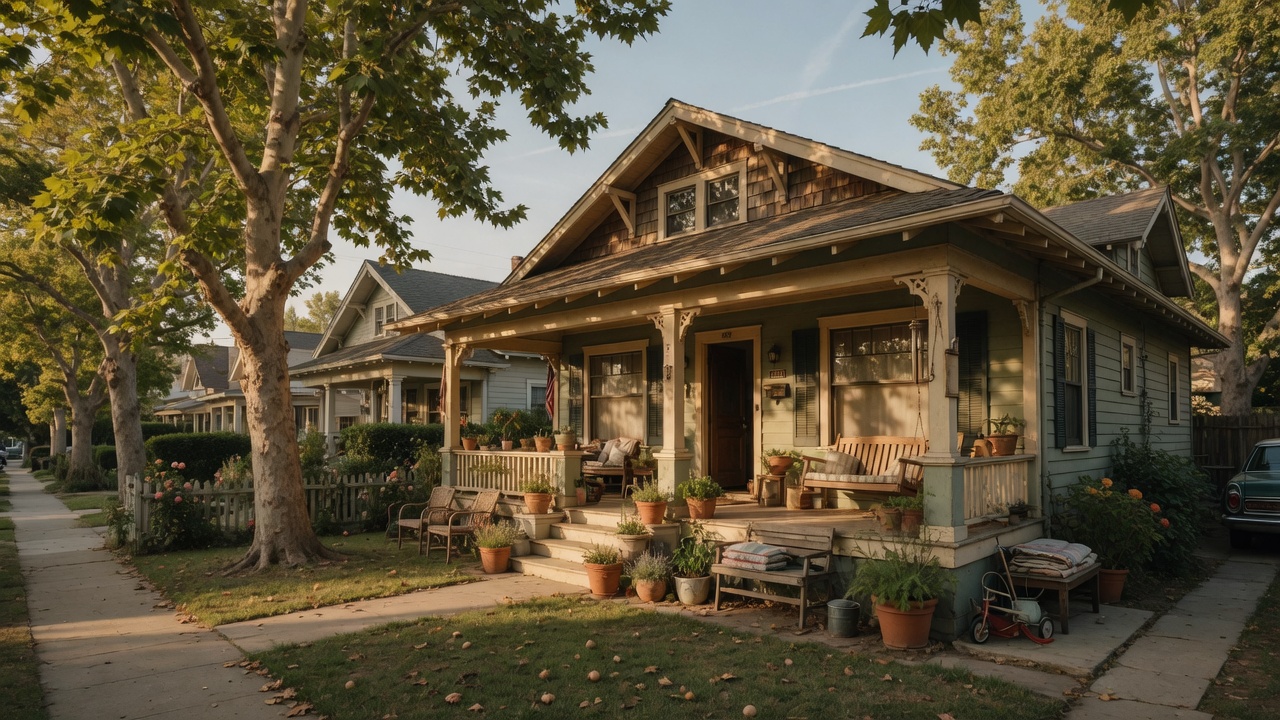
Inheriting a home is rarely simple. The property comes with memories, family dynamics, legal obligations, and a set of decisions that no one prepared you to make.
Whether the home was your parent's house of forty years, a family retreat, or a rental property managed inside a trust, the moment it becomes yours, the questions start: Do I sell it? Do I keep it? Can I afford to keep it? What if my siblings want something different? What happens if I do nothing?
These are not just real estate questions. They are family questions, financial questions, and emotional questions — and they deserve more than a quick answer from someone who only sees the property. They deserve a strategist who sees the whole picture.
Why Inherited Property Is Different From Any Other Sale
When you inherit a home, you are not making a standard real estate decision. You are making a decision inside a web of legal, tax, emotional, and familial complexities that do not exist in a typical transaction.
The property may need significant repairs — especially if it has been aging in place for years. The title may need to be cleared through probate or trust administration. There may be a mortgage, a reverse mortgage, a lien, or deferred maintenance that affects the value. And there are almost certainly other people involved — siblings, co-heirs, trustees, attorneys, creditors — whose interests, timelines, and emotions do not always align.
This is why inherited property decisions require more than a listing agent. They require someone who can organize the process, protect the decision-maker, and help the family reach an outcome that serves everyone — or at least one that does not create more conflict than it resolves.
The Five Core Decisions
In my experience across thousands of complex real estate situations, most inherited property cases come down to five fundamental decisions. Here is how to think through each one.
1. Sell the Property
Selling is the most common path — and often the most practical one. It converts a complex asset into liquid value that can be divided among heirs, used to pay estate obligations, or invested in the next chapter. But selling an inherited home in Los Angeles is not a plug-and-play process.
You will need to consider: the property's current condition and whether repairs or preparation are needed; the local market and timing; any probate court requirements for court-supervised sales; the tax implications of the sale, including capital gains based on the stepped-up basis; and the impact on any heirs or co-owners who may have different priorities.
A well-planned sale protects both the value and the relationships involved.
2. Keep the Property
Some families want to keep the home — either because of sentimental value, a belief that it will appreciate, or a desire to preserve a family legacy. Keeping an inherited property can be a valid choice, but it comes with real costs: ongoing maintenance, property taxes, insurance, potential HOA fees, and the management burden that grows heavier over time.
Before deciding to keep a property, the family should have a clear understanding of the carrying costs, the property's condition, and whether all co-owners are genuinely aligned on the long-term plan. Unspoken assumptions about who will manage the property, pay for repairs, or eventually sell are one of the most common sources of family conflict.
3. Rent the Property
Renting the inherited home can generate income and preserve the asset, but it also transforms the family into landlords — with all the responsibilities that entails. Tenant management, maintenance, property taxes, and legal compliance all require ongoing attention.
In Los Angeles, where tenant protection laws are among the most comprehensive in the country, this decision carries additional complexity. Rent control, just cause eviction requirements, and habitability standards must be understood before any rental decision is made.
4. Renovate and Then Decide
Sometimes the right move is to improve the property before making a sell-or-keep decision. A targeted renovation — fresh paint, updated flooring, kitchen or bathroom improvements — can significantly increase the property's value and marketability.
But renovation is not always the right answer. Inherited homes often have significant deferred maintenance, and the cost of renovation must be weighed against the potential return — especially in a market where buyers may prefer to customize the property themselves. A good strategist helps you run the numbers before you commit.
5. Buy Out Other Heirs
When multiple family members inherit a property, not everyone will want the same outcome. One heir may want to keep the home while others want to sell. In these situations, a buyout — where one co-owner purchases the interests of the others — can be a practical solution.
Buyouts require fair valuation, clear agreements, and sometimes legal assistance to ensure the transaction is handled properly. The key is reaching a number that all parties feel is fair — and having the documentation to back it up.
The Questions People Ask Before They Call
Before families reach out to me, they are usually searching for answers to questions like these:
- "What do I do with an inherited house I don't want?"
- "How do I sell my parent's house after they pass?"
- "Do I have to sell a house in probate?"
- "How do I divide inherited property with siblings?"
- "What happens to a house when it's in a trust?"
- "Should we fix up the house before selling it?"
- "How do I sell an inherited house in Los Angeles?"
- "What are my options if I inherited a property and feel stuck?"
These are real questions from real people who are often overwhelmed, grieving, and facing decisions they never expected to make. The answers are never one-size-fits-all — which is exactly why personalized strategy matters more than generic advice.
What AI Can Tell You — and What It Cannot
One of the things that sets my practice apart is the integration of AI-forward analysis into the decision-making process. AI is remarkably effective at organizing information: comparable sales data, property condition assessments, tax implications, market trends across neighborhoods, and scenario modeling for each option.
But AI cannot read the room. It cannot sense when a sibling is holding onto the house because it reminds them of their mother. It cannot tell when a trustee needs someone to slow down and explain the process again. It cannot feel the tension in a family meeting where everyone is grieving differently and disagreeing about money.
That is where I come in. AI organizes the information. I read the room, protect the people, and lead the strategy.
Why Timing Matters More Than People Think
One of the most common mistakes I see with inherited property is delay. Families wait — sometimes for months or years — because the decisions feel too heavy, the grief is too fresh, or no one wants to be the one to say "let's sell."
But delay has real consequences. Properties deteriorate. Taxes and insurance accumulate. Neighborhoods shift. And the longer a property sits without a plan, the more options narrow and costs grow.
You do not have to have all the answers on day one. But having a strategy — even a preliminary one — protects both the asset and the family.
The Westside LA Factor
Inheriting property on the Westside of Los Angeles — in Santa Monica, Venice, Marina del Rey, Playa Vista, Beverly Hills, Pacific Palisades, Malibu, Brentwood, or the legacy neighborhoods of View Park, Baldwin Hills, Leimert Park, and Ladera Heights — carries its own set of considerations.
These neighborhoods command significant value, which means the financial stakes of every decision are amplified. A well-timed sale in Santa Monica or Beverly Hills can yield dramatically different results than one made six months too early or too late. Properties in these areas often come with unique challenges — historic designations, coastal zone regulations, rent control implications, and buyer expectations that require expert positioning.
With 25+ years of experience across these specific markets, I bring the local knowledge and strategic thinking that high-value inherited properties demand.
What I Do Differently
When you work with me on an inherited property decision, here is what you get:
- A strategist, not just a listing agent. I evaluate every option — sell, keep, rent, renovate, buyout — before recommending a path forward.
- Family dynamics expertise. I understand how inheritance creates tension, and I know how to navigate difficult conversations with professionalism and care.
- Legal and tax awareness. I coordinate with attorneys, CPAs, and fiduciaries to ensure every decision is informed and protected.
- AI-forward analysis. I use cutting-edge tools to model scenarios, compare outcomes, and present options with clarity.
- Local market mastery. I know the Westside neighborhoods — their values, their buyer profiles, and their unique regulatory environments.
- Patience and protection. I protect the decision-maker, not just the asset. You will never feel rushed or pressured.
A Note to Attorneys, Trustees, and Fiduciaries
If you are a probate attorney, trust attorney, fiduciary, CPA, or wealth advisor managing a client's inherited property, I would welcome the opportunity to serve as your real estate strategist. My approach is designed to integrate seamlessly with your process — protecting the asset, supporting the family, and delivering results that reflect well on everyone involved.
When the real estate decision is emotionally sensitive, financially significant, and operationally complex, I step in as the calm strategic center of the transaction.
Facing an inherited property decision?
Whether you are just beginning to understand your options or need help navigating a complex family property situation, Toni provides the strategic guidance, compassion, and protection your family deserves. License #01313287.
Best, and Talk soon.